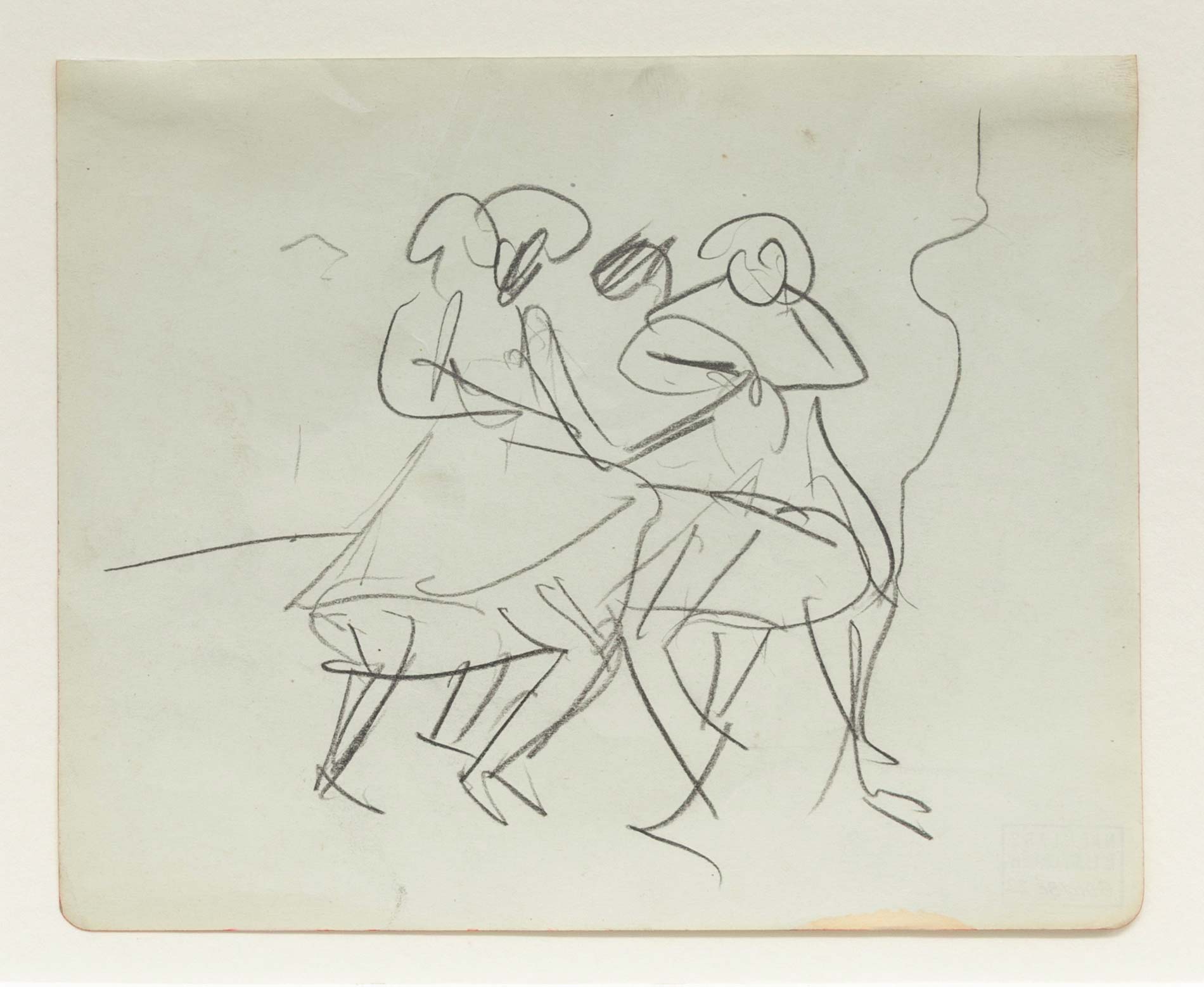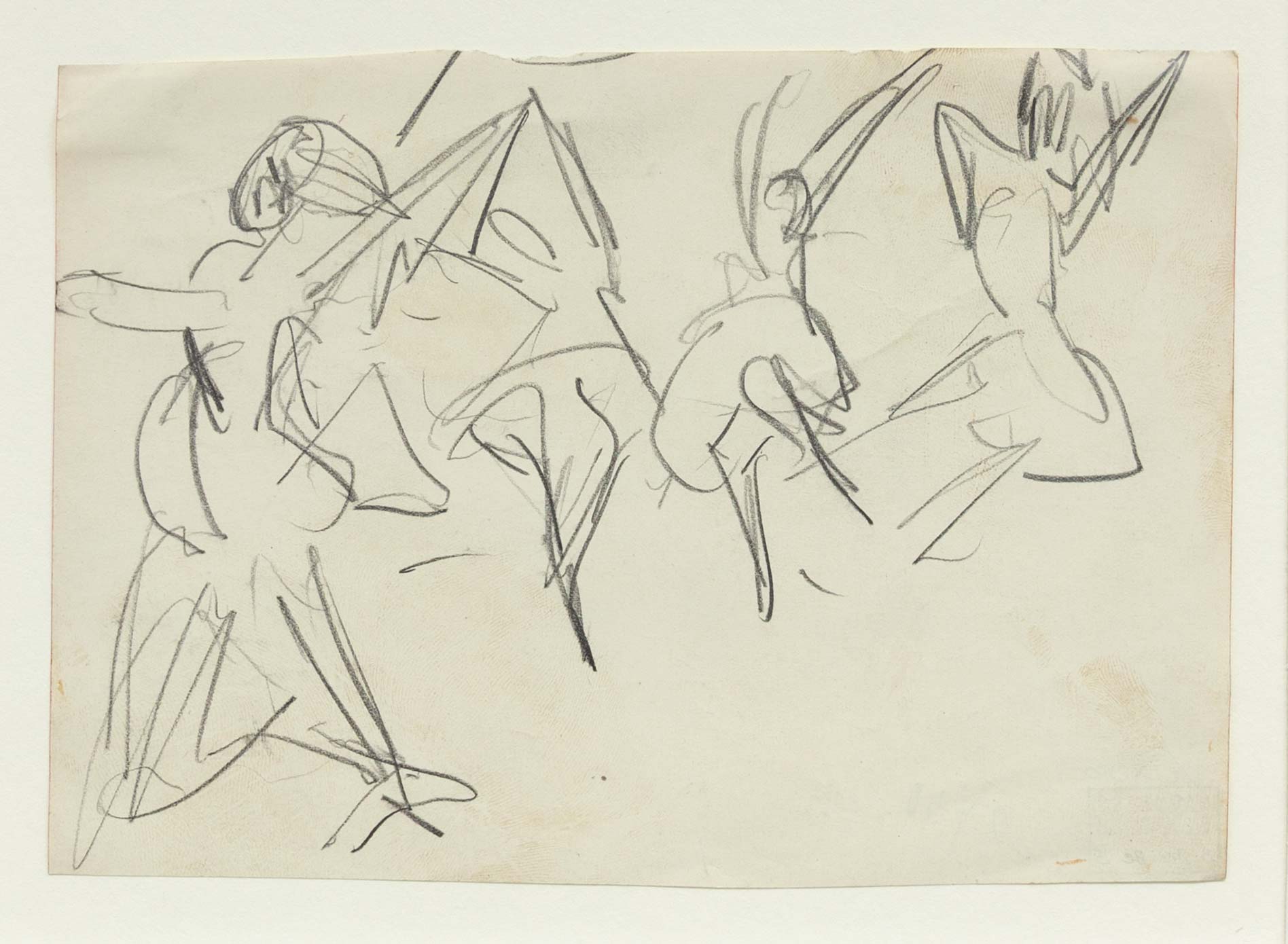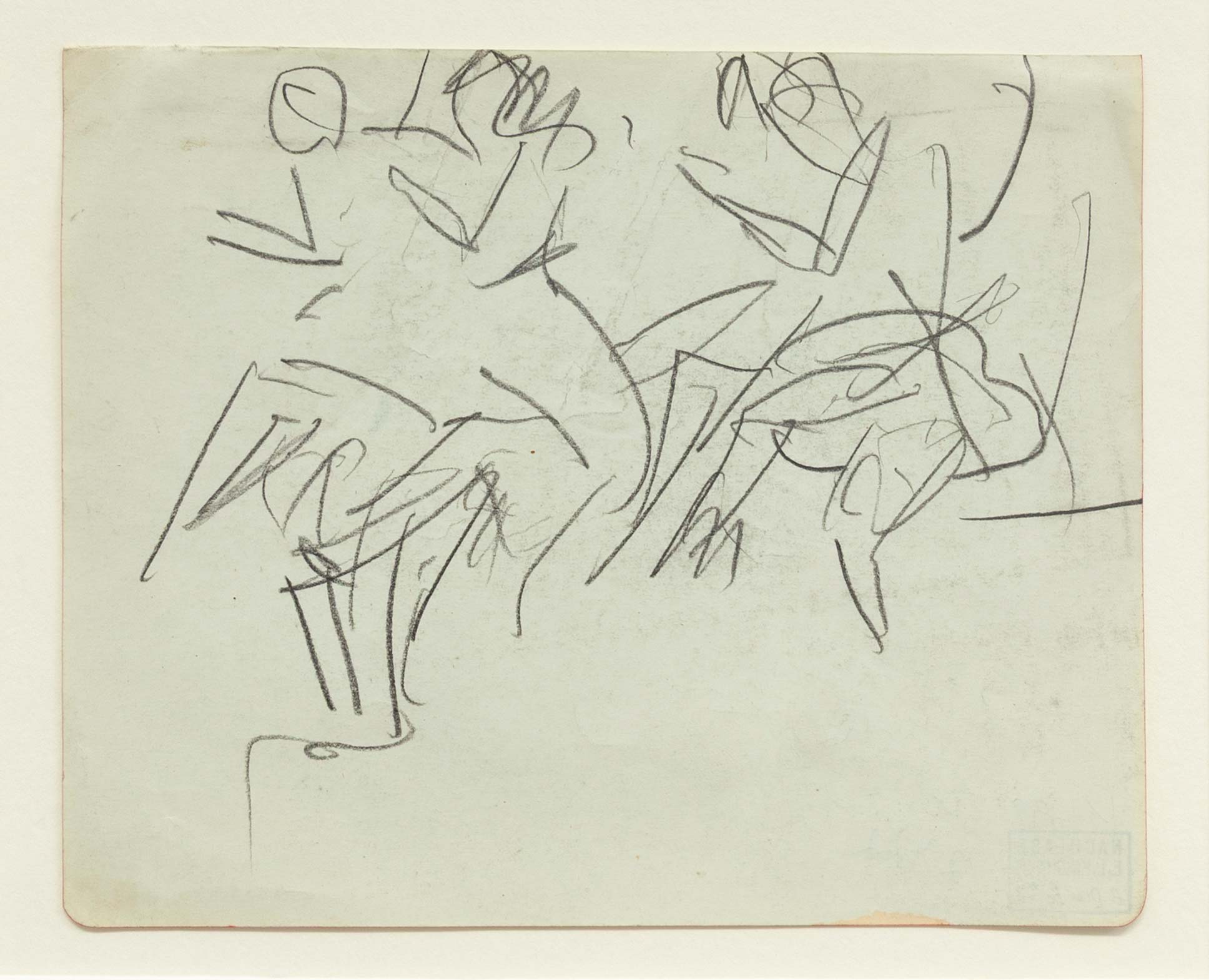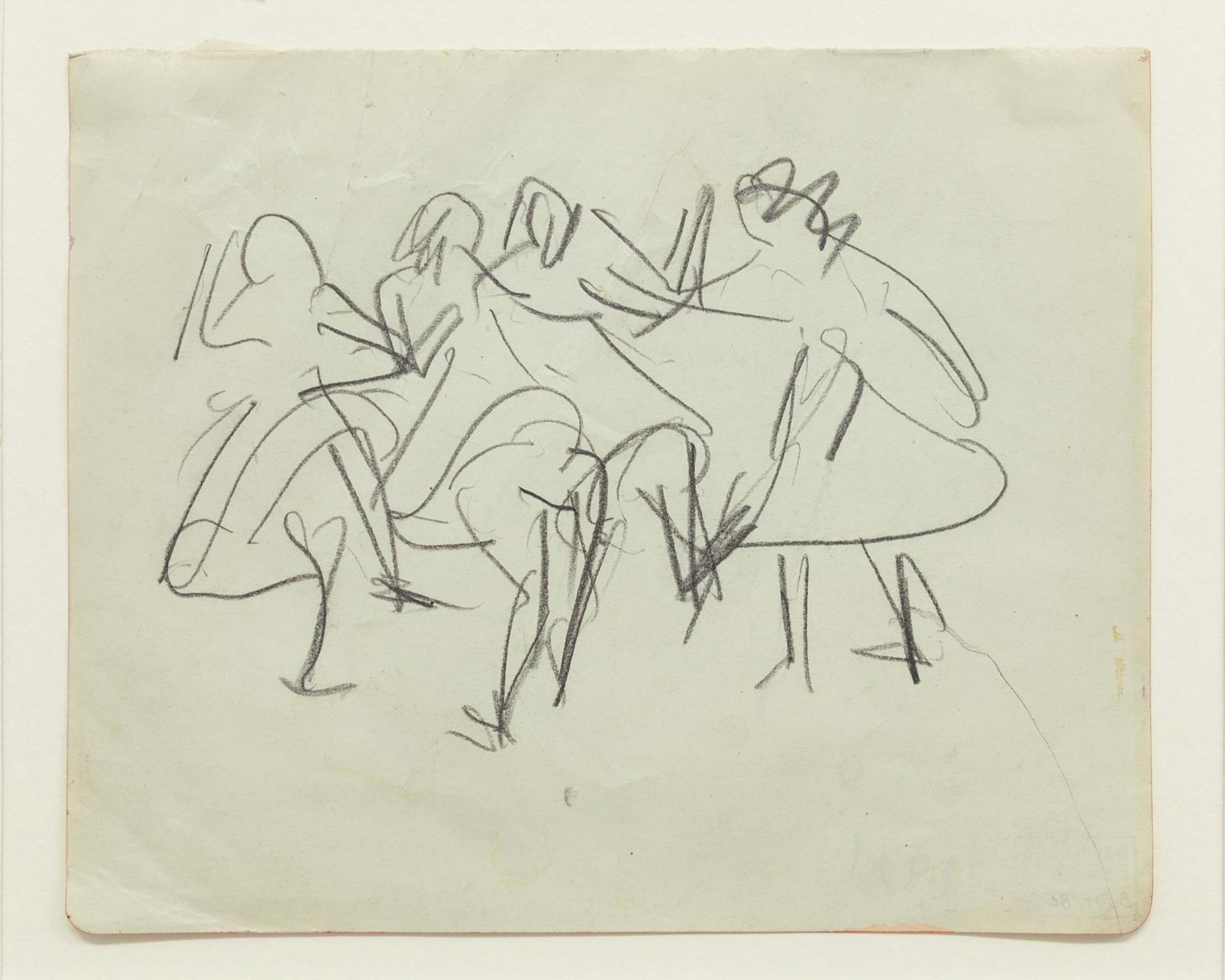


Ernst Ludwig Kirchner
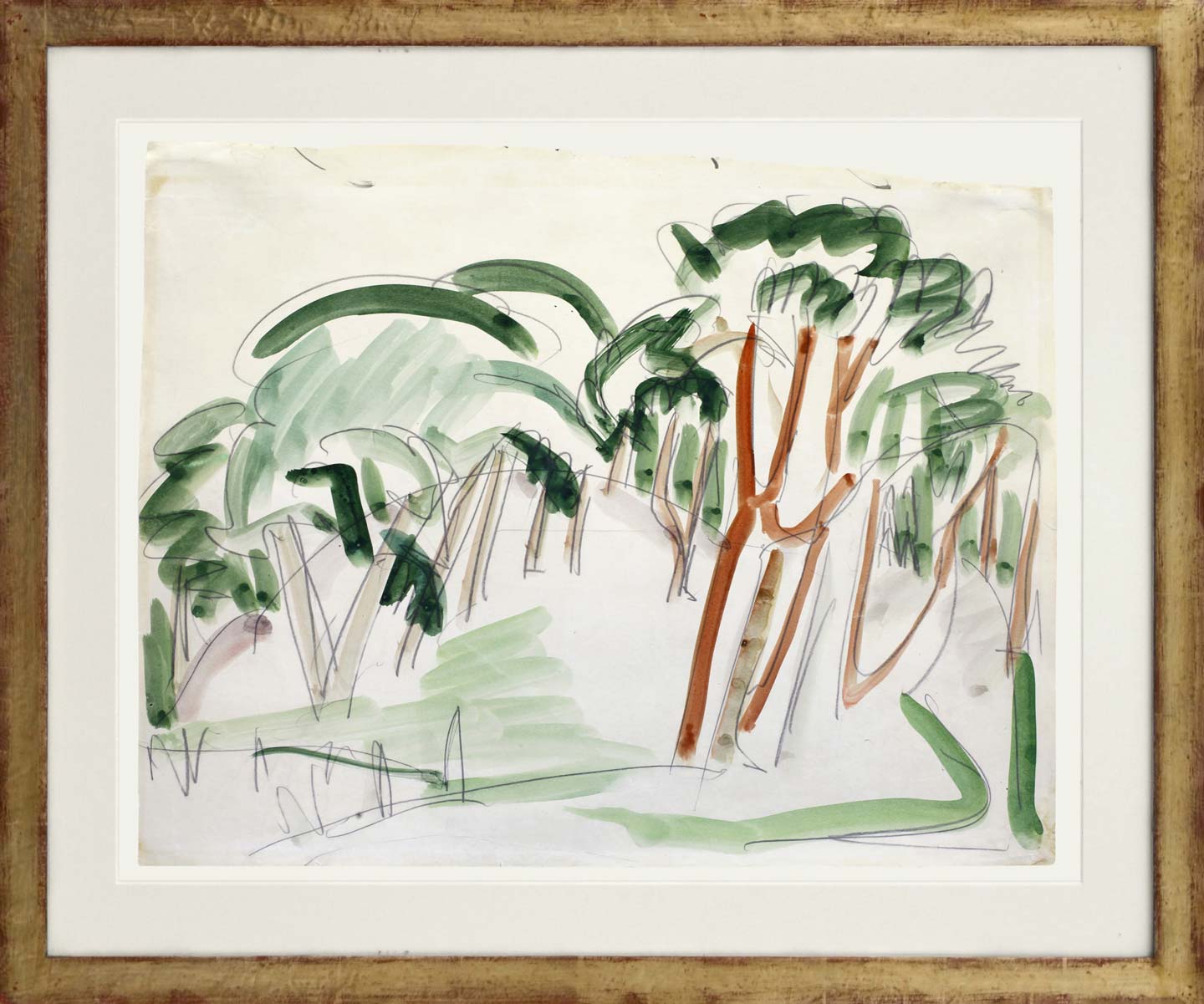
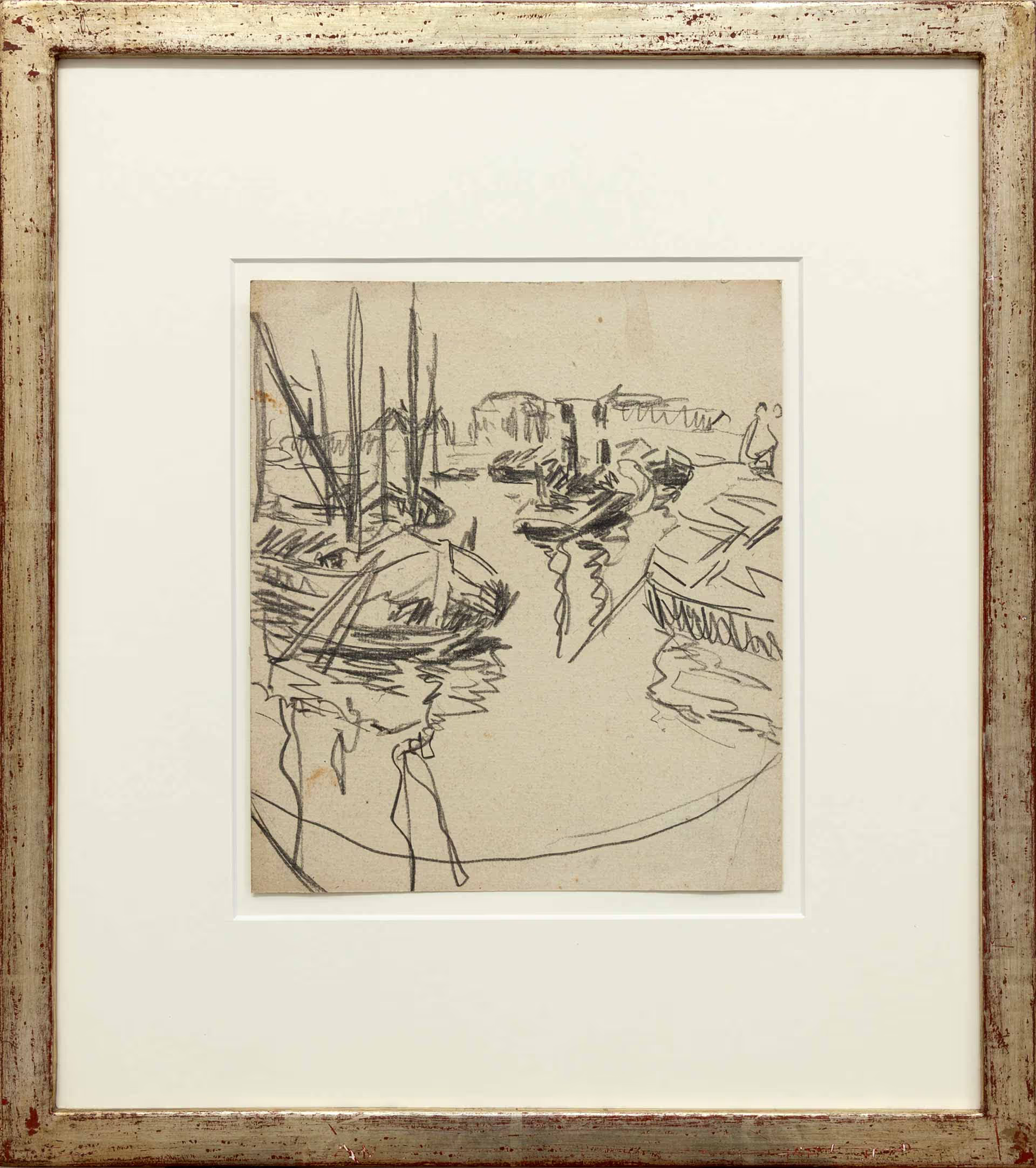
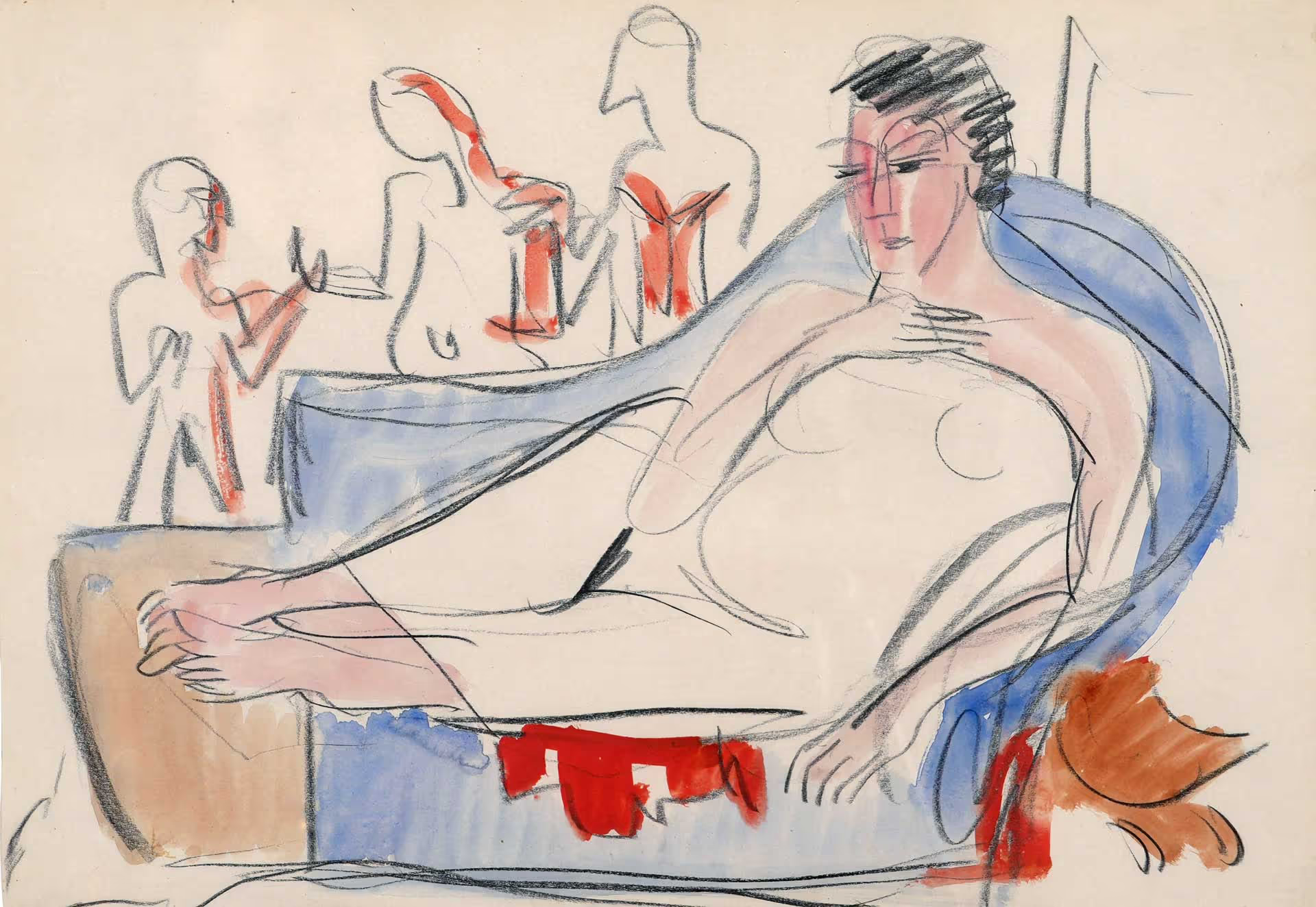
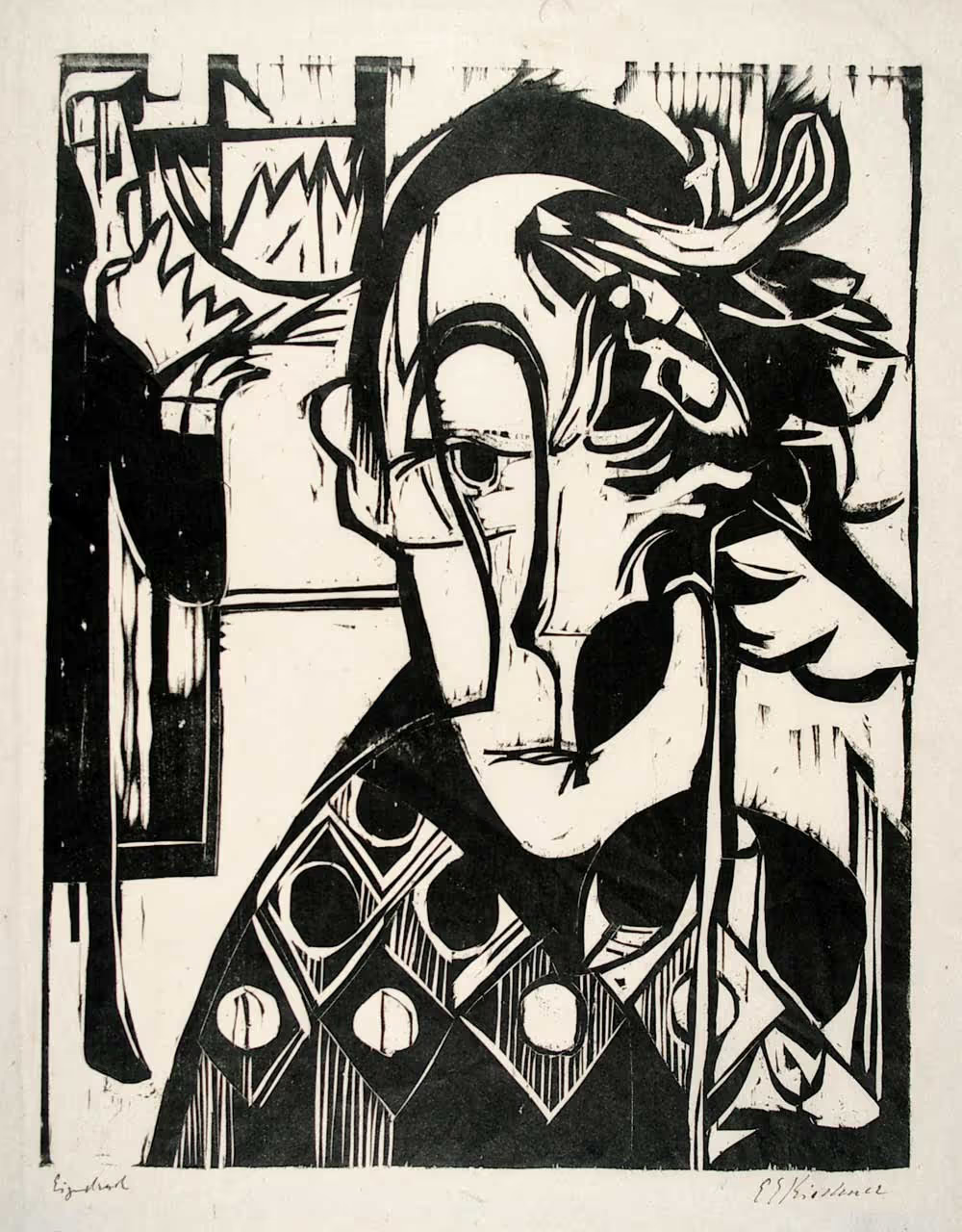
Davoser Berglandschaft im Sonnenschein
Watercolor over pencil on light, satin-finished chamois paper.
21.5 x 16 cm.
On the reverse side, it bears the estate stamp and the designation "St. 190" in blue chalk, as well as the numbers "K 832" and "C 2995" in pencil.
When he moved to Davos in 1917, Ernst Ludwig Kirchner found himself in an environment that was unfamiliar to him. Far from the large cities like Dresden and Berlin, which were characterized by hustle and bustle and industrialization, he hoped to find the peace and quiet he needed here in the heart of the Alps to recover his health—having been weakened by war and illness. In Davos-Frauenkirch, he first rented the house “In den Lärchen” and later “Auf dem Wildboden.” He spent the summer months in a farmhouse on the Stafelalp. It was here that he found the sources of inspiration that would shape his work his death in 1938.
It was not difficult for the artist to find something equally overwhelming in the landscape surrounding him, and so impressive Alpine landscapes, depictions of farm life, grazing cows, or the drive up to the Alpine pastures took the place of urban facades with their impatient and tense passersby. The farmhouses he lived in in Davos-Frauenkirch—and especially the wooden hut on the Stafelalp—proved to be ideal vantage points for this. After all, it was here, above the tree line, that the cows were taken to pasture during the summer months. Kirchner meticulously observed the lives of these people and animals and captured the rhythm of their daily lives in his works.
Landscapes and rural life, depictions of gorges, roaring ravines, forest scenes, and mountain landscapes reveal the artist’s engagement with an environment that was new to him.
Ernst Ludwig Kirchner was born in Aschaffenburg on May 6, 1880. After graduating from high school, he began studying architecture in Dresden in 1901. It was during this time that Kirchner produced his first paintings. In June 1905, he founded the artists' association Brücke together with his fellow students Fritz Bleyl, Erich Heckel and Karl Schmidt-Rottluff. In 1906, Brücke published its program in a woodcut by Kirchner. In addition to his first sculptural works, he also produced numerous prints. Experimenting with technique and color was his main focus. He met his partner Erna Schilling in Berlin in 1912. The following year, the Brücke dissolved after differences over the chronicle of Brücke written by Kirchner.
At the beginning of the First World War, Kirchner volunteered for military service despite his previous fears. However, he was soon discharged due to his poor mental health and declared unfit for service. After stays in various sanatoriums in Germany and Switzerland, Kirchner's search for healing led him to Davos for the first time in 1917. Just one year later, he moved into the farmhouse "In den Lärchen" and in 1923, together with Erna, he moved into the "Wildboden". During this time, he created sculptural furniture and began to capture the surrounding Alpine panorama in colorful paintings. His so-called New Style is characterized by an abstract formal language, contoured areas of colour and bright contrasts.
Kirchner suffers under the National Socialists' seizure of power in Germany and the defamation of his art exhibited as "degenerate". He feared that the Wehrmacht would invade Graubünden and began to paint over his paintings and destroy sculptures and printing blocks. On June 15, 1938, the artist, again marked by illness, shoots himself not far from his home.