


Christian Rohlfs
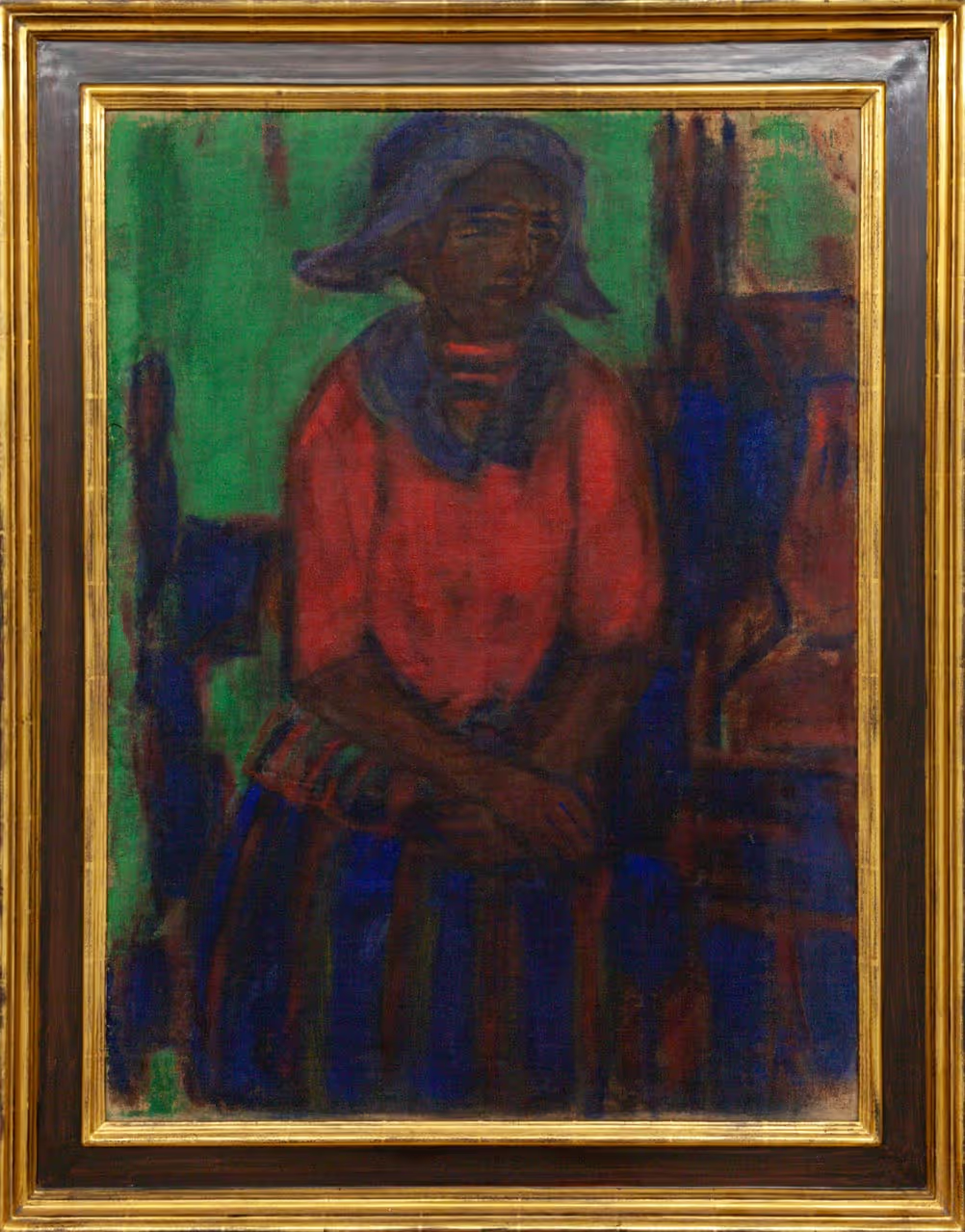
Mädchen in roter Bluse
Oil on canvas
81 x 60.5 cm
Monogrammed and dated. Inscribed "Chr. Rohlfs Hagen W No.9" on the reverse of the stretcher. Painting of a standing woman overpainted on the reverse.
Vogt/Köcke 627
Christian Rohlfs, born in Gross Niendorf in 1849, is one of the most important painters and graphic artists of German Expressionism. It was only late in his career that he developed an expressive and powerful style of painting, and he underwent several relevant stylistic changes during his lifetime as a result of the various art movements of his time.
After studying art at the Grand Ducal Art School in Weimar and working as a history and genre painter, he devoted himself to French Impressionism as a freelance artist in Weimar beginning in 1884. As a result, he was counted among the great German Impressionists between 1885 and 1890. Beginning in the late 1880s, he turned to lyrical naturalism. At the invitation of Karl Ernst Osthaus, Rohlfs moved to Hagen in 1901 and set up a studio in the Folkwang Museum, which was then under construction. Stays in Soest and Munich followed, and the medieval churches and buildings in Soest, as well as the monasteries and mountain landscapes in Bavaria, continued work in Rohlfs’ work well into the 1920s.
In 1905 he met Emil Nolde and, from 1910 onwards, finally devoted himself entirely to an expressive style of work, which, however, remained rooted in the representational and showed Rohlfs' independent formal invention. Memberships in the "Neue Secession" (1911), the "Freie Secession" (1914) and the Berliner Kunstakademie (1924) in Berlin followed.
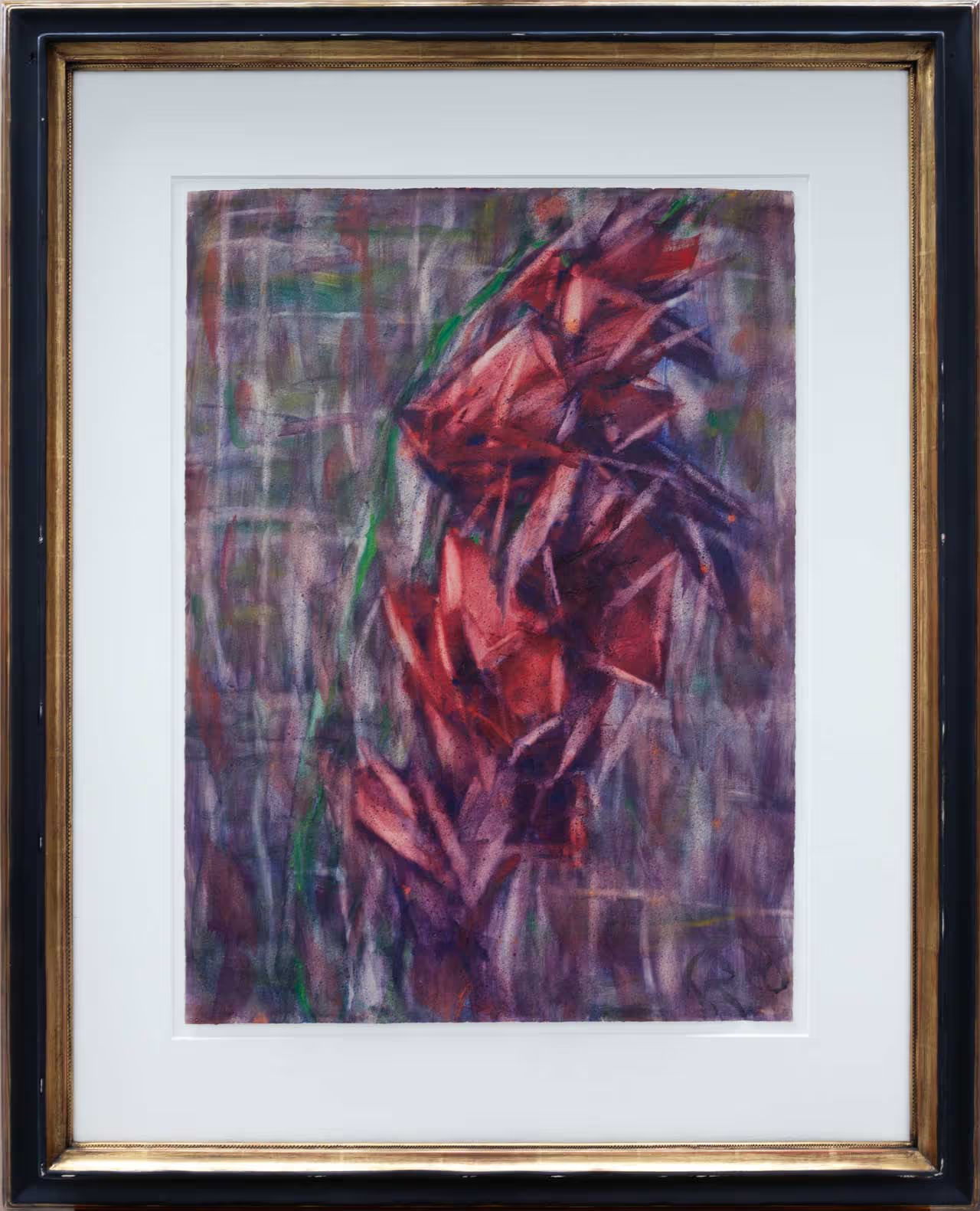
After a period marked by increasingly figurative and biblical depictions, he achieved a new splendor of color in his late work. His expressive flower paintings, often executed in tempera on paper, attest to a new expressiveness in Rohlfs’ work. Rohlfs died in Hagen in 1938 and was featured posthumously at the first documenta in Kassel.