
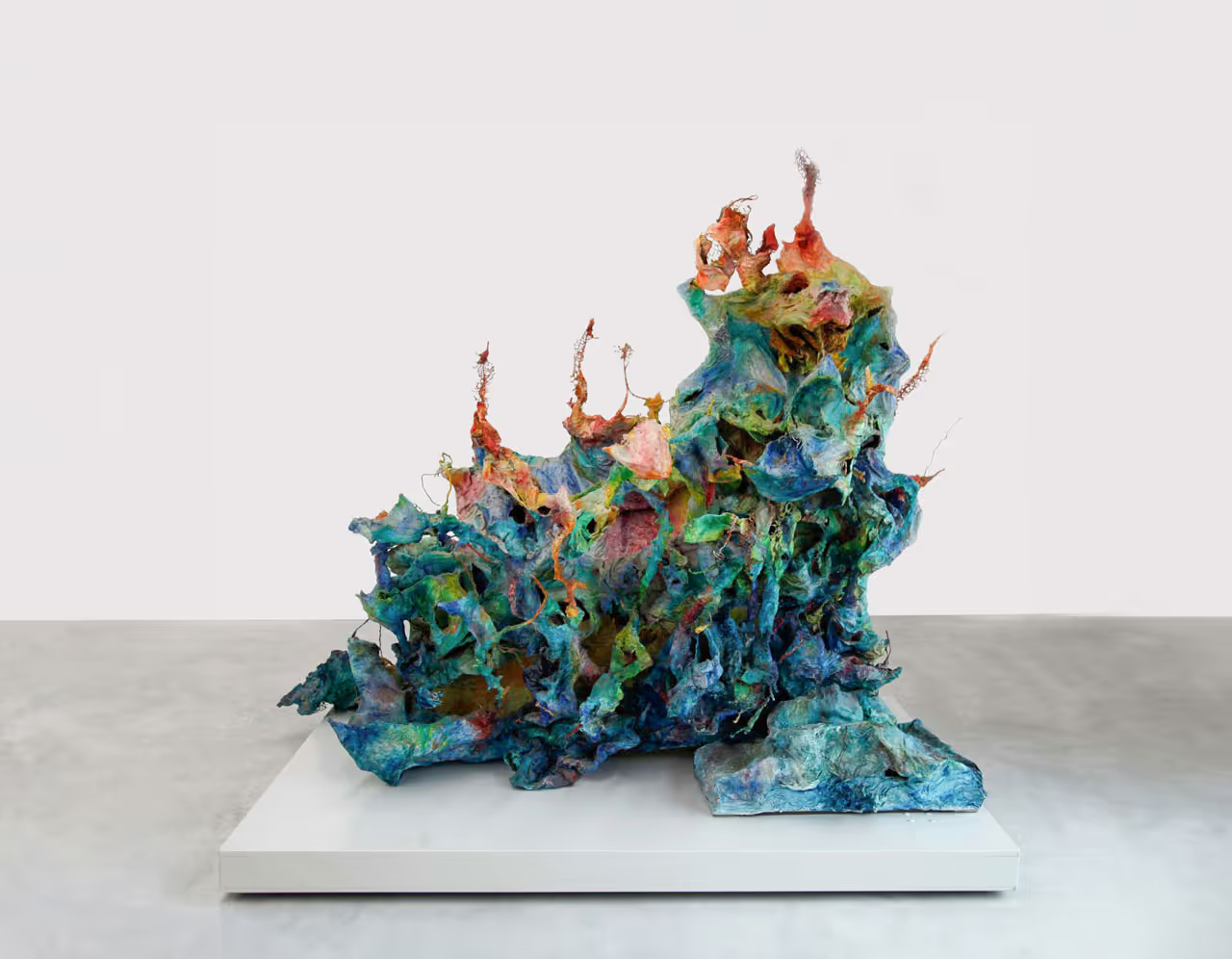


Bernard Schultze
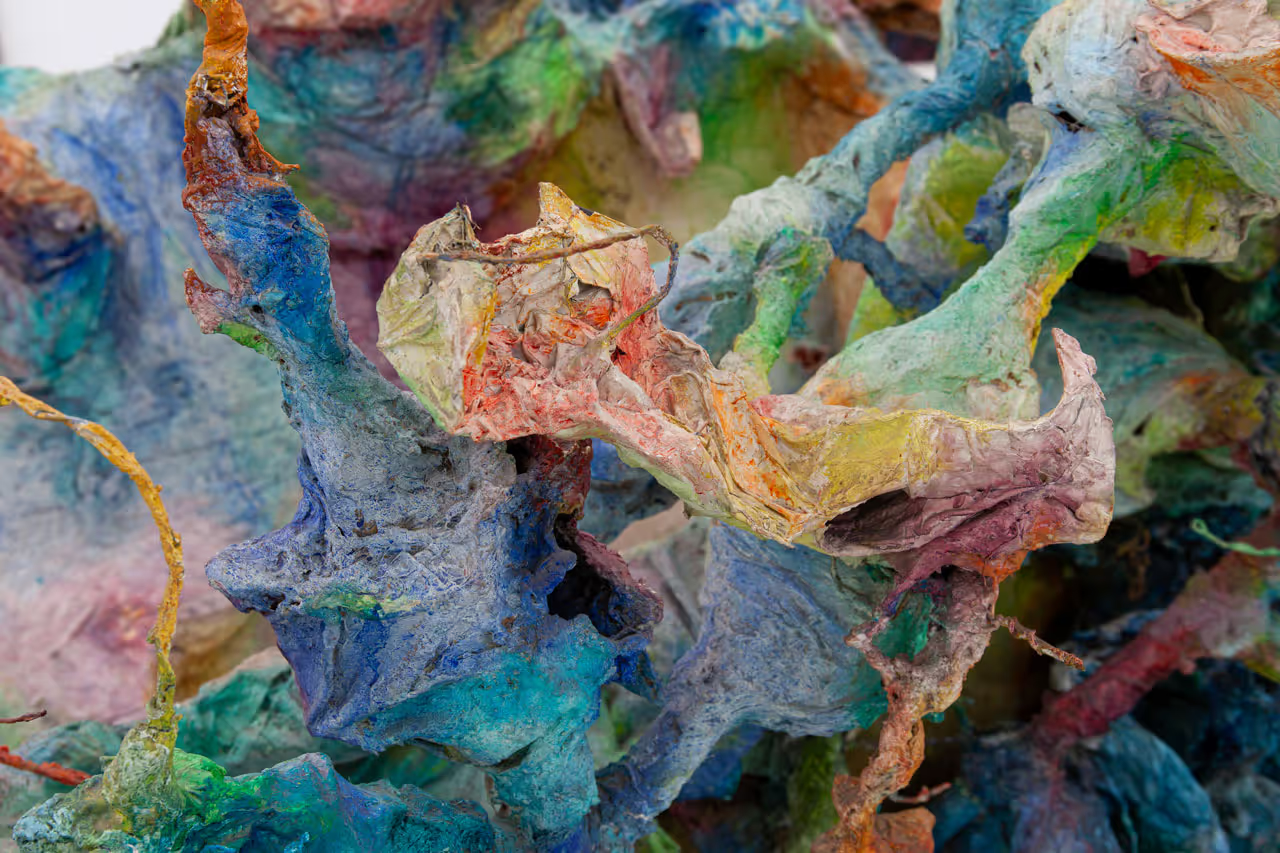
Myrrst
245 x 196 x 100 cm.
Upper right signed and dated in ballpoint pen "Bernard Schultze 63". On the back again signed and dated in black felt-tip pen at the top "B.Schultze 63".
Herrmann 63/23
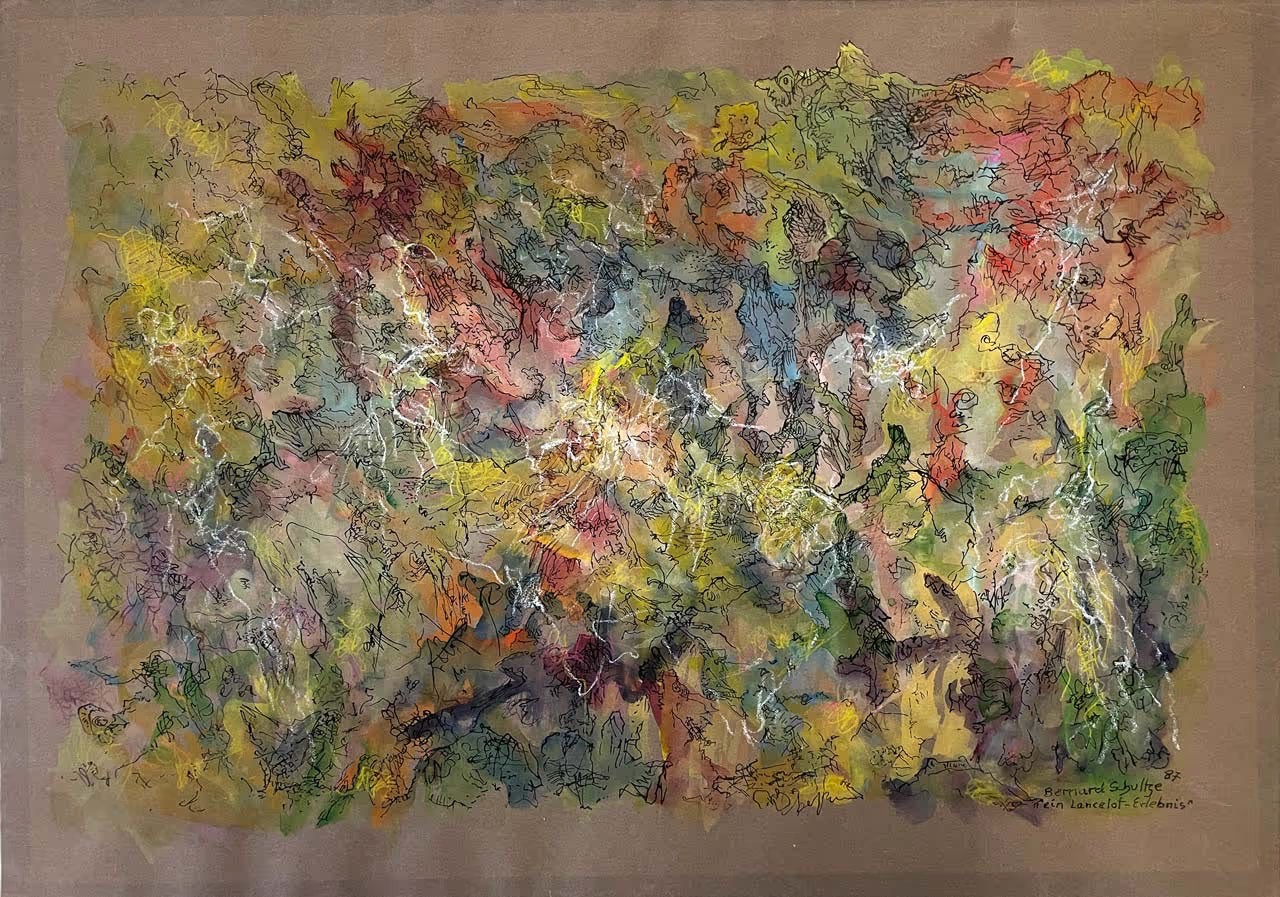
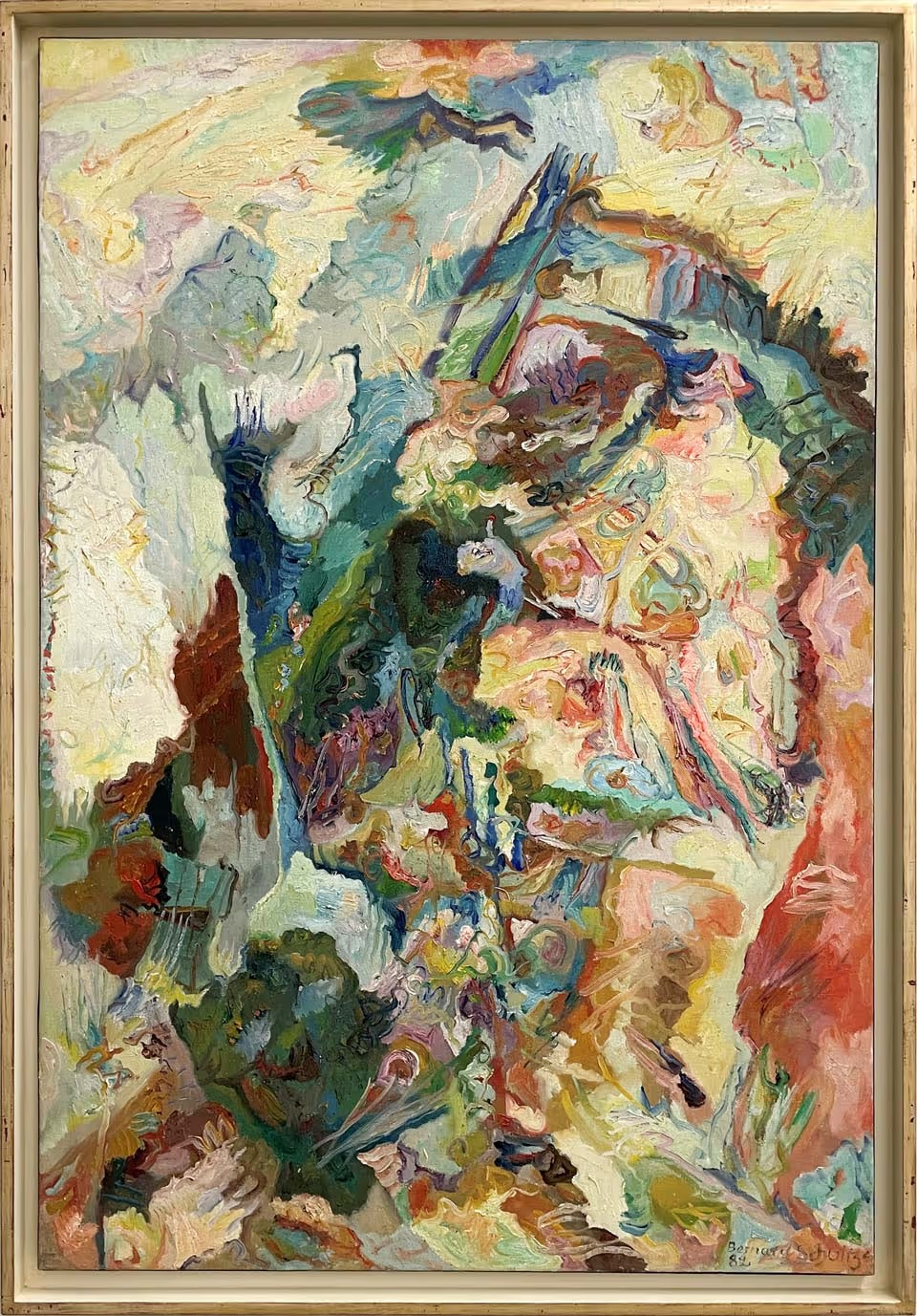
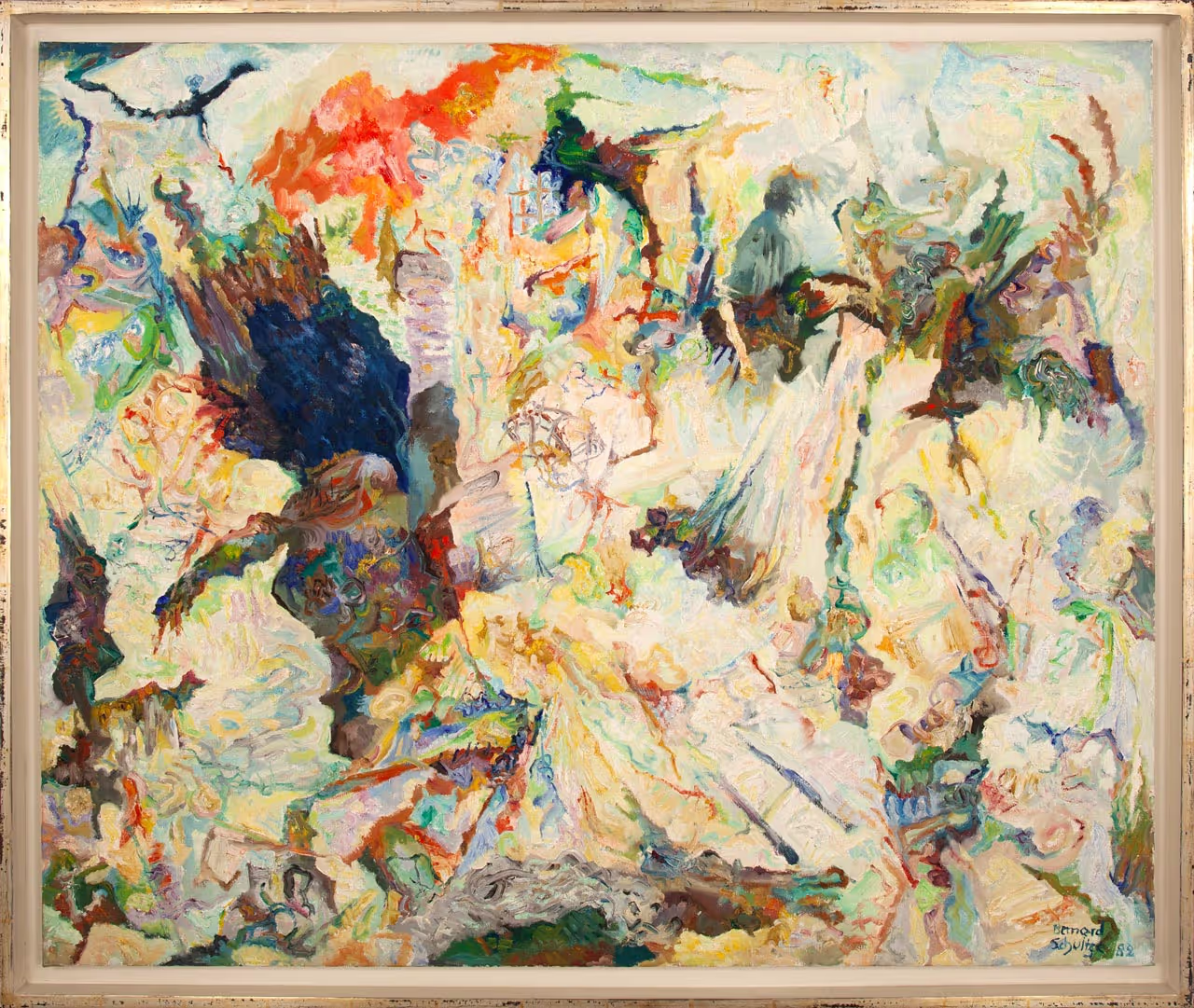
Bernard Schultze, born in Schneidemühl in 1915, is a German painter and a representative of Informel (Informal Art). Informal art is a collective term for a style of abstract painting that emerged in Europe and the USA after the Second World War. The focus is on detachment from all formal conditions and a radical departure from traditional pictorial composition.
After studying at the Hochschule für Kunsterziehung in Berlin and the Kunstakademie in Düsseldorf, Schultze, together with Karl Otto Götz, Otto Greis and Heinz Kreutz, founded the artists' group "Quadriga" in 1952, probably one of the first avant-garde artists' groups in Germany after the Second World War, which initiated and had a lasting influence on German informal painting. The members saw themselves as "New Expressionists". By means of the raw, gestural application of paint, the impulsive brushwork and the dynamic results on the canvas, the "Quadriga" showed a new attitude towards the painting process.
Under the influence of Tachism and Action Painting, Schultze developed a personal lyrical-abstract style. In 1955 he married the artist Ursula. In the 1960s, he created his first sculptures and three-dimensional objects, which he onomatopoetically referred to as "Migof" (a term without an exact meaning and rather to be understood as an ambiguous figure between animal, plant and human).
In the 1970s, Schultze - inspired by Pop Art - incorporated everyday objects into his sculptures. Schultze received numerous awards, including the Hessian Culture Prize in 1984 and the Federal Cross of Merit 1st Class in 1998. He died in Cologne in 2005.